
With the popularity of tennis booming greater than ever before, so has the tennis coaching industry. College athletes and former tennis professionals rush to achieve a coaching certification so they can get hired at a tennis club. Yet, when they come across an individual fired up and ready to improve, they lack the knowledge and coaching qualities to bring the player to their full potential.
If you are looking for a coach that is right for you, this is often a difficult process. It is often difficult to discern a good coach from a bad coach, as all coaches are often amazing communicators and have unmatched friendliness. However, there are certain traits and coaching methods good coaches often do that might be an indication you have found a good coach.
1. Prove their theories (either through pros or themselves)
Almost all good coaches will be able to prove that what they are teaching is not just nonsense. When they give an explanation for a major change to your game, they should be showing you video evidence of top professionals using what the coach recommended or the coach should be able to demonstrate themselves using what they recommended.
2. Record and playback their players
Most coaches do not do this, but a coach that records your game to review it with you is a sign of an experienced coach. This shows that they are detail-oriented, as they are willing to analyze your groundstroke to a more in-depth extent. For advanced players, in which it is more difficult to see potential flaws, would receive the most benefit from coaches who willingly do this.
3. Gives advice that can be described visually
Again, many coaches do not do this. But the coaches that can explain tennis using visual cues rather than other senses are coaches that understand how hard it is for players to grasp abstract concepts in the ways they do.
One example of this is timing. It feels natural for a high level player to know when the right time to strike a ball is. However, for new players, hearing advice like “Hit the ball earlier” or “hit the ball later” only causes confusion. In this case, timing is better described in terms of spacing. If you make contact with the ball in the right place, your timing will be correct as well.
4. Physically guides you through techniques
This one is important. Especially when making a major change in technique, a good coach will physically hold your arm and position you with the technical change they are expecting. Some will even guide you through the entire stroke from start to finish. This is necessary to the development of a good stroke and indicates they are confident about the motion they are teaching you.
5. Emphasizes long-term improvement over short-term improvement
Many coaches will merely recommend adjustments for you to make as you hit. This includes advice like “Aim higher over the net” if you miss the ball in the net, or “Try to hit deeper” if your balls are mostly landing short. These are adjustments that you should be routinely doing regardless of whether there is a coach there telling you or not. In the end, such tips only improve muscle memory and give very little long-term improvement.
What you want during your lessons is a coach that will focus more on your technique and footwork, and even a little mentality is a bonus. Having strong technique and footwork will directly influence the growth possible for you and should be prioritized during private lessons.
6. Is Open Minded
If you ask a question or argue against one of their theories, they are willing to listen to your point of view and give their response. It is okay if they disagree or stick with their theories, but they should be able to explain why. If they cannot explain why, it is best for the coach to give an honest answer of “I don’t know”.
Too many coaches are stubborn and believe they know everything about the sport. Many others will get angry and demand full trust in their teaching from their players. The best coaches are those that are willing to question what they understand and eager to learn more about the sport. Those that require your complete belief in them do not understand that trust from players is earned. Even with my knowledge, I am still trying to learn more about the game everyday.
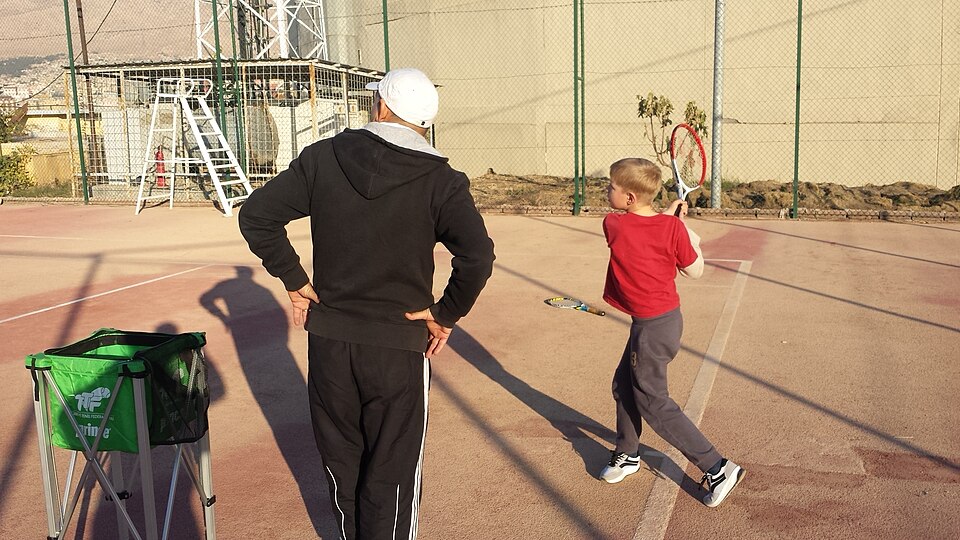
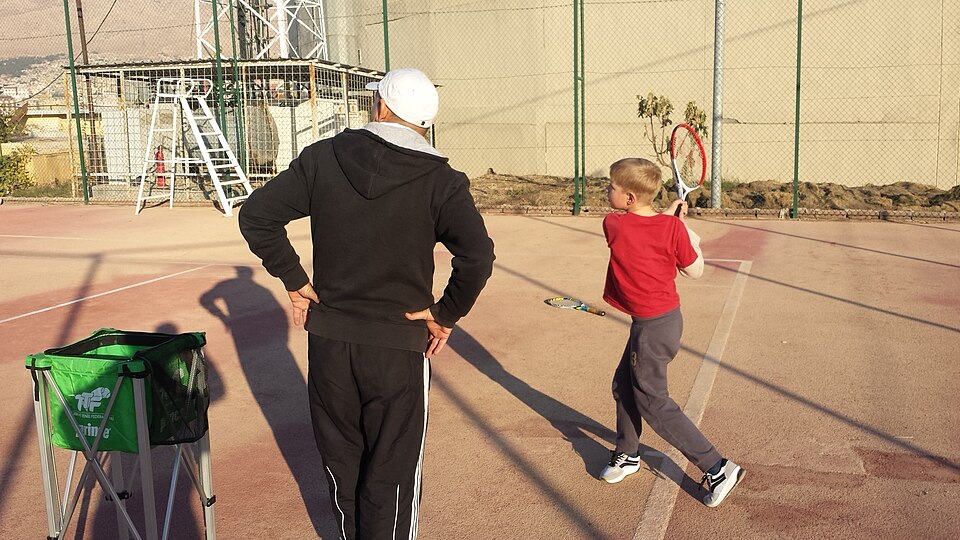
Picture by Firm Foundations Duhok under CC 4.0